
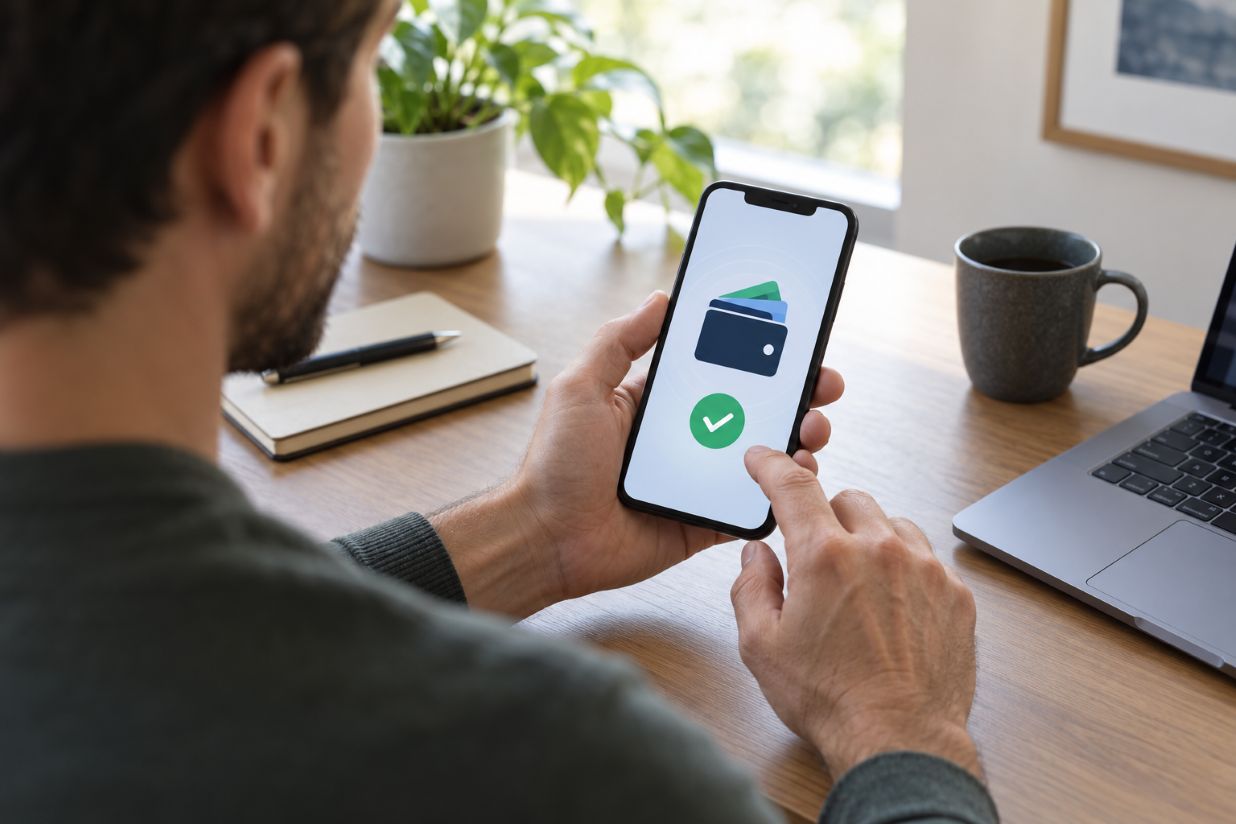
Smartphone wallets let users interact with blockchain accounts and authorize actions through digital signatures. As Ethereum.org explains, a wallet is an interface for an account, rather than the network itself. Mobile identity applications serve a related purpose: they help people hold and present digital credentials. Understanding these functions starts with separating the phone, the application, and the systems behind them.
For readers choosing a handset, CompareCelular provides a resource for comparing general device specifications. Its comparison pages can support an initial shortlist, but blockchain app compatibility and security features require separate verification. Check the application developer’s requirements and the manufacturer’s documentation before deciding whether a particular model fits your needs. A specification table is a starting point, rather than a security assessment.
What Does the Phone Actually Do?
A useful distinction is that a wallet application and a blockchain account are different things. The application provides controls for interacting with that account. Ethereum.org describes accounts as entities that can send transactions, while wallets provide an interface through which people manage their interactions. This helps explain why installing an app does not create a separate blockchain inside the phone.
Transaction signing is another separate operation. The application prepares a request, obtains the required authorization, and submits the signed transaction for network processing. The network then handles validation and inclusion. As the transaction documentation from Ethereum.org shows, signing and confirmation are different stages. A successful approval on the screen should therefore not be confused with a completed network action.
Private Keys Establish Control
A private key is secret cryptographic information used to authorize actions associated with an account. The corresponding public information allows others to verify signatures. Ethereum.org explains that this relationship lets a user demonstrate that they initiated a transaction. The private key should remain secret, even though an account address can be shared.
This makes recovery arrangements important. Some wallets provide a recovery phrase that can restore account access. Security guidance from Ethereum.org warns against sharing private keys or recovery phrases. Before relying on an application, establish how its recovery process works. Keep recovery information protected, and question any support request that asks you to reveal it.
Signing Requires More Than Tapping Approve
A digital signature authorizes a particular request. On Ethereum, transactions can include instructions that interact with smart contracts, which are programs executed by the network. Ethereum.org documents how signed transactions carry the information needed for processing. For the person holding the phone, the practical task is to understand the request before granting approval.
Read the destination and any explanation of the requested action. If the screen is unclear, stop and investigate through the application’s official documentation. Ethereum.org recommends reading transaction messages before signing. A familiar interface should never replace that review, especially when an unfamiliar website has initiated the request.
Device Authentication Adds a Local Check
A fingerprint prompt or device passcode can control access to sensitive operations. Documentation from Android Developers explains that applications can require user authentication before using certain keys through Android Keystore. This creates a local checkpoint. However, authenticating the person holding the phone does not establish that the requested action is sensible or trustworthy.
The same documentation describes how Keystore can make cryptographic keys harder to extract. Some keys receive protection from secure hardware, depending on the device and supported capabilities. That does not mean every blockchain wallet stores its signing key there. Ask whether the application documents its key storage method, supported devices, and authentication behavior. Avoid assuming that a fingerprint sensor answers all three questions.
Digital Credentials Have Their Own Trust Model
The World Wide Web Consortium describes verifiable credentials through three roles: issuer, holder, and verifier. An issuer makes claims, a holder keeps and presents credentials, and a verifier evaluates them. A university qualification is one possible example. A phone can provide the holder’s interface for managing the credential and responding to a request.
Blockchain is optional within this model. The World Wide Web Consortium allows different forms of supporting infrastructure. Verification also requires judgment about the issuer and the claims being presented. A valid cryptographic proof does not automatically make every claim reliable. Users should examine who issued a credential, what information it contains, and what the receiving service requests.
Software Maintenance Belongs in the Decision
Security depends partly on maintaining the underlying software. The Android Open Source Project publishes security bulletins describing fixes for issues affecting Android devices. When comparing handsets, review the manufacturer’s stated support period and update policy. Then check the actual security patch level on the device you intend to use, rather than relying solely on its launch date.
For everyday use, build a simple review habit: confirm app requirements, understand recovery, inspect signing requests, and install available security updates. General phone comparisons help narrow the hardware choices. The stronger decision comes from checking how the chosen application protects keys, handles credentials, and explains permissions. That remains useful as mobile identity services develop.
A suitable smartphone is one part of a wider system. Beyond the handset, enterprise integration for blockchain applications provides context for understanding how blockchain services connect with broader business systems. For users, the practical starting point remains the same: identify the service you need, then verify the handset and application together. Check compatibility, key protection, software support, and approval screens before relying on a new mobile workflow.
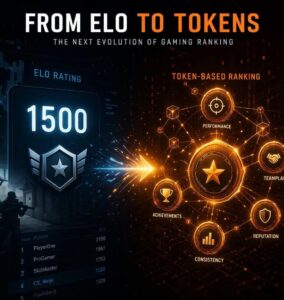 For decades, competitive games have relied on Elo-style ranking systems to measure skill, and some players even seek match help to improve results. Whether you’re playing chess, CS2, or grinding FACEIT, your rank is represented by a number that goes up when you win and down when you lose. It’s simple, widely understood, and effective to a point.

 Reddit remains home to some of the sharpest technical minds in blockchain. Communities like r/ethdev, r/cryptodevs, and r/web3 regularly unpack zero-knowledge proofs, layer-2 scaling designs, and peer-to-peer protocols. Yet many solid projects launch threads that go nowhere. A well-researched post can sit at zero comments for hours and vanish from sight.
 When most people hear “crypto,” they think about Bitcoin, trading, or digital money. But cryptocurrency is only one part of a much larger technology known as blockchain. The real innovation lies in how this technology records, stores, and protects data. Beyond finance, it has opened doors for improving data security, transparency, and trust—three things that are essential for online reputation management.